Quick Answer: Swimming Lessons Timeline for Adults. Most adults need between 8-20 lessons to learn to swim, depending on their goals and starting point:
- ?♂️ 8-12 lessons for basic water safety and comfort (floating, treading water, simple strokes)
- ?♀️ 12-20 lessons to swim confidently with proper technique (freestyle, backstroke)
- ? 20+ lessons for advanced skills, endurance, and multiple stroke mastery
Timeline: With 1-2 lessons per week, expect to achieve basic swimming proficiency in 2-6 months. The exact number depends on your comfort level in water, practice frequency, physical fitness, and specific learning goals.
Understanding Your Swimming Journey: What to Expect
Learning to swim as an adult is both achievable and rewarding. Whether you’re starting from scratch, overcoming a fear of water, or looking to refine your technique, understanding the typical learning timeline helps set realistic expectations and keeps you motivated throughout your journey.
Unlike childhood learning, adults bring unique advantages to swimming lessons: better focus, stronger commitment, and the ability to understand technical instructions. However, adults may also face challenges like water anxiety or less flexibility, which can influence the learning pace.
Swimming Lessons Timeline: Detailed Breakdown
The table below shows what most adult learners can expect at different stages of their swimming education:
| Skill Level | Number of Lessons | Timeframe* | Distance Goal | What You’ll Learn |
|---|---|---|---|---|
| Complete Beginner | 8-12 lessons | 1-3 months | Basic floating | Water comfort, breathing techniques, floating (front and back), basic kicks, treading water, elementary freestyle |
| Novice Swimmer | 12-20 lessons | 3-5 months | 25-50 yards continuous | Proper freestyle technique, backstroke basics, bilateral breathing, basic turns, improved endurance |
| Intermediate Swimmer | 20-30 lessons | 5-8 months | 100+ yards continuous | Breaststroke, refined technique for all basic strokes, flip turns, increased stamina, swimming multiple laps |
| Advanced Swimmer | 30+ lessons | 8-12+ months | 500+ yards, open water | Butterfly stroke, racing techniques, open water skills, triathlon preparation, advanced endurance training |
*Based on attending 2 lessons per week with regular independent practice between sessions
Understanding the Numbers
These estimates assume consistent lesson attendance and regular practice between sessions. Students who practice 2-3 times per week in addition to their lessons typically progress 30-50% faster than those who only swim during scheduled lessons.
Key Factors That Influence Your Learning Timeline
Several important factors determine how many swimming lessons you’ll need to reach your goals:
Starting Skill Level and Water Comfort
Your relationship with water significantly impacts your learning curve. Adults who are already comfortable in water—perhaps from childhood pool experience or water sports—typically progress faster through fundamental skills. They may need only 8-10 lessons to achieve basic swimming proficiency.
Conversely, individuals with limited water exposure or those experiencing water anxiety may need 12-15 lessons or more to build the same foundational skills. This is completely normal and doesn’t reflect on your ability to become an excellent swimmer—it simply means you’re starting from a different point.
Physical Fitness and Body Awareness
Swimming requires coordination, flexibility, and cardiovascular endurance. Adults who maintain regular physical activity often adapt more quickly to swimming movements and have an easier time learning proper technique. However, swimming is also an excellent way to build fitness, so your current fitness level should never discourage you from starting lessons.
Body awareness—the ability to understand and control your movements—plays a crucial role in learning swimming techniques. This skill improves naturally as you practice, and adults often excel at it due to their developed cognitive abilities.
Consistency and Practice Frequency
The single most important factor in learning to swim is consistency. Adults who take lessons twice per week and practice independently 1-2 additional times progress significantly faster than those attending only weekly lessons without additional practice.
Consider this comparison:
- Student A: 2 lessons + 2 practice sessions per week = Basic proficiency in 8-10 weeks
- Student B: 1 lesson per week, no practice = Basic proficiency in 16-20 weeks
The difference isn’t just about total time in the water—regular exposure helps your body develop muscle memory and maintain the skills you’re learning.
Personal Goals and Learning Objectives
Your specific swimming goals directly impact how many lessons you’ll need:
Water Safety Goals (8-12 lessons): If your primary objective is safety—being able to save yourself if you fall into water—you’ll focus on floating, treading water, and basic propulsion. This takes fewer lessons than mastering perfect technique.
Recreational Swimming (12-20 lessons): Learning to swim comfortably for leisure, enjoying pool time with family, or swimming on vacation requires proper stroke technique and enough endurance to swim continuously for several minutes.
Fitness Swimming (20-30 lessons): Using swimming as your primary form of exercise demands efficient technique, multiple stroke proficiency, and the ability to swim continuously for 20-30 minutes.
Competitive or Triathlon Training (30+ lessons): Advanced goals like participating in swim meets, triathlons, or open water events require mastery of all four competitive strokes, racing techniques, and extensive endurance training.
Quality of Instruction
The expertise and teaching style of your swimming instructor significantly affects your learning speed. Experienced instructors who specialize in adult learners understand the unique challenges adults face and can adapt their teaching methods accordingly.
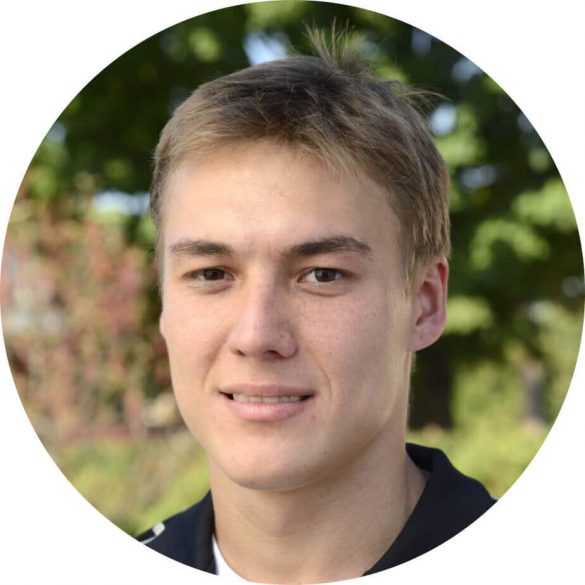
Professional coaches like Coach Slava Fattakhov, a former professional swimmer and experienced instructor, bring years of expertise in working with adult learners at all levels. Quality instruction includes proper technique demonstration, individualized feedback, and progressive skill development tailored to your needs.
How Many Lessons for Different Swimming Strokes
Each swimming stroke presents unique challenges and requires different amounts of time to master:
Freestyle (Front Crawl): 6-10 Lessons for Basics
Freestyle is typically the first stroke adults learn and often the easiest to develop. Basic freestyle proficiency—swimming 25 yards with recognizable technique—usually takes 6-10 lessons for most adults. However, refining the stroke for efficiency and proper breathing can take an additional 10-15 lessons.
Key milestones:
- Lessons 1-3: Body position, kicking, arm movement fundamentals
- Lessons 4-6: Coordinating arms with breathing
- Lessons 7-10: Bilateral breathing, continuous swimming
Backstroke: 4-8 Additional Lessons
Backstroke is often the second stroke taught because it shares similarities with freestyle but allows face-up breathing. Adults comfortable with floating on their back may learn basic backstroke in just 4-6 lessons. Those who need to build back-floating confidence first may need 8-10 lessons.
Many adults find backstroke less intimidating than freestyle because they don’t need to put their face in the water, making it an excellent option for those working through water anxiety.
Breaststroke: 8-12 Additional Lessons
Breaststroke is considered one of the most challenging strokes to master due to its unique “frog kick” and the precise timing required between arm pull and leg kick. While you can learn basic breaststroke movements in 6-8 lessons, achieving proper technique with efficient timing typically takes 10-12 lessons or more.
The complexity comes from coordinating three distinct elements: the arm pull, the leg kick, and the breathing, all of which must work in precise rhythm.
Butterfly: 15+ Additional Lessons
Butterfly is the most physically demanding and technically complex stroke. Most adult swimmers attempt butterfly only after mastering the other three strokes. Even with a strong swimming foundation, learning proper butterfly technique typically requires 15-20 dedicated lessons and significant practice.
Due to its demanding nature, butterfly is usually reserved for adults pursuing competitive swimming or those who want to challenge themselves after achieving proficiency in all other strokes.
Private Lessons vs Group Lessons: Which Do You Need?
The format of your swimming lessons affects both your learning speed and the total number of lessons required:
Private Swimming Lessons
Best for: Faster progress, personalized attention, specific goals, overcoming fear, flexible scheduling
How many lessons: With one-on-one instruction, adults often need 20-30% fewer total lessons compared to group settings because every moment is focused on your individual needs.
Advantages:
- Customized instruction based on your learning pace and style
- Immediate feedback and correction on every movement
- Ability to focus on specific challenges (breathing, technique, fear)
- Flexible scheduling around your availability
- More comfortable environment for adults with water anxiety
Typical timeline: 8-10 private lessons for basic proficiency, 15-20 for confident recreational swimming
Group Swimming Lessons
Best for: Social learning, budget-friendly option, motivation from peers, structured curriculum
How many lessons: Group lessons typically follow a set curriculum over 10-12 weeks, with students progressing through structured levels. You may need to complete 2-3 levels (20-30 total lessons) to achieve confident swimming ability.
Advantages:
- More affordable than private instruction
- Opportunity to observe and learn from other students
- Built-in peer support and motivation
- Social environment can reduce anxiety
- Structured progression through skill levels
Typical timeline: 12-15 group lessons for basic proficiency, 20-30 for confident recreational swimming
Semi-Private Lessons (2-3 People)
Best for: Learning with a friend or family member, balance of personal attention and affordability
Semi-private lessons offer a middle ground, providing more individualized attention than large groups while remaining more affordable than completely private instruction. This format works well when learning with a partner at a similar skill level.
Cost of Adult Swimming Lessons: Investment Overview
Understanding the financial investment helps you plan your swimming education effectively:
Typical Price Ranges (Market Overview)
Private Lessons:
- Individual session: $50-100 per lesson (45-60 minutes)
- Package of 8 lessons: $400-750
- Package of 12 lessons: $550-1,100
Group Lessons:
- Individual session: $20-40 per lesson (30-45 minutes)
- Package of 8 lessons: $150-300
- Package of 10-12 lessons: $200-400
Semi-Private Lessons (per person):
- Individual session: $30-60 per lesson
- Package of 8 lessons: $240-450
Total Investment to Learn Swimming
Based on typical lesson requirements:
Basic Water Safety (8-12 lessons):
- Private: $400-1,200
- Group: $160-480
Confident Recreational Swimming (15-20 lessons):
- Private: $750-2,000
- Group: $300-800
Advanced Swimming Skills (25-30 lessons):
- Private: $1,250-3,000
- Group: $500-1,200
Factors Affecting Pricing
Lesson costs vary based on several factors:
- Location: Metropolitan areas typically have higher rates
- Instructor credentials: More experienced coaches often charge premium rates
- Lesson length: 30-minute, 45-minute, or 60-minute sessions
- Pool access: Private pool access may increase costs
- Travel: Instructors who travel to your location may charge additional fees
Note: Coach Slava offers personalized swimming instruction with flexible scheduling. Each student’s needs are unique, so lesson packages and pricing are customized during your initial consultation to ensure you receive the most effective instruction for your goals and budget.
The Critical Role of Practice Between Lessons
Independent practice between formal lessons dramatically accelerates your swimming progress and can reduce the total number of lessons you need by 30-40%.
Why Practice Matters
During swimming lessons, you learn new skills and receive feedback. However, the consolidation of these skills—the process where movements become automatic—happens during practice sessions. Your brain and muscles need repetition to develop the “muscle memory” that makes swimming feel natural.
How Much Should You Practice?
Minimum: 1 additional practice session per week (30-45 minutes) Optimal: 2-3 practice sessions per week (30-45 minutes each) Advanced: 3-4 practice sessions per week (45-60 minutes each)
What to Practice Between Lessons
Focus your practice sessions on the specific skills covered in your most recent lesson:
For Beginners (Lessons 1-8):
- Floating practice (front and back)
- Kicking with a kickboard
- Breathing exercises (rhythmic breathing at the wall)
- Water comfort activities (submerging, opening eyes underwater)
For Intermediate Swimmers (Lessons 8-20):
- Swimming continuous laps focusing on technique
- Drilling specific stroke elements (catch-up drill, one-arm freestyle)
- Practicing bilateral breathing
- Building endurance gradually
For Advanced Swimmers (Lessons 20+):
- Stroke refinement drills
- Interval training for endurance
- Practicing flip turns and open turns
- Swimming sets with specific goals (speed, distance, stroke count)
Practice Safety
Always practice in supervised environments when possible, especially during your early learning stages. Let lifeguards or pool staff know you’re a beginner, and consider practicing during less crowded times when you can have more space to focus.
Overcoming Fear of Water (Aquaphobia)
Many adults come to swimming lessons with some level of water anxiety or fear. This is completely normal and doesn’t prevent you from becoming a confident swimmer—it simply means you may need additional lessons to build comfort gradually.
Understanding Water Anxiety
Water anxiety in adults often stems from:
- Lack of childhood swimming experience
- A previous negative water experience
- Fear of drowning or losing control
- Discomfort with breathing patterns
- General anxiety about new physical challenges
How Fear Affects Lesson Requirements
Adults working through water anxiety typically need:
- 2-4 additional lessons for basic water comfort (face submersion, floating acceptance)
- Slower initial progress through the first 5-6 lessons
- More repetition of fundamental skills before advancing
- Total lessons: 12-16 for basic proficiency (vs 8-12 without anxiety)
Building Confidence Gradually
Professional instructors experienced in working with anxious swimmers use gradual exposure techniques:
- Lessons 1-2: Building trust, shallow water comfort, face submersion practice
- Lessons 3-4: Controlled floating with support, breathing exercises
- Lessons 5-6: Independent floating, treading water basics
- Lessons 7+: Progressive skill development with confidence-building emphasis
The investment of extra time in building confidence pays dividends throughout your swimming journey. Students who take time to overcome fear properly often become more enthusiastic and capable swimmers than those who never faced this challenge.
Setting Realistic Goals and Expectations
Establishing clear, achievable goals keeps you motivated and helps measure your progress effectively.
Short-Term Goals (First 8-12 Lessons)
Focus on foundational skills:
- Feel comfortable putting your face in the water
- Float on your front and back independently
- Tread water for 30 seconds
- Swim 25 yards using basic freestyle
- Breathe rhythmically while swimming
Medium-Term Goals (12-20 Lessons)
Build proficiency and confidence:
- Swim 50-100 yards continuously
- Master proper freestyle and backstroke technique
- Perform basic flip turns or open turns
- Swim in deeper water comfortably
- Learn basic breaststroke
Long-Term Goals (20+ Lessons)
Achieve advanced capabilities:
- Swim 500+ yards continuously
- Master all four competitive strokes
- Develop efficient, energy-saving technique
- Build endurance for fitness swimming or competition
- Prepare for open water swimming or triathlons
Tracking Your Progress
Work with your instructor to assess progress regularly:
- Every 4 lessons: Evaluate skill acquisition and adjust goals
- Every 8 lessons: Test distance capabilities and stroke efficiency
- Every 12 lessons: Review overall progress and set new objectives
Celebrate small victories along the way. Every milestone—your first unassisted float, your first 25-yard swim, your first 100-yard continuous swim—represents significant achievement and moves you closer to confident, lifelong swimming ability.
Special Considerations for Adult Learners
Age and Swimming: It’s Never Too Late
Adults often worry they’re “too old” to learn to swim. Research and practical experience consistently show this concern is unfounded. Adults in their 40s, 50s, 60s, and beyond successfully learn to swim every day.
Advantages adults have over children:
- Better focus and concentration during lessons
- Stronger ability to understand technical explanations
- More patience with the learning process
- Greater commitment to practicing
- Ability to set and pursue personal goals
Age-related considerations:
- Adults over 50 may need 2-3 additional lessons for flexibility in certain strokes
- Joint flexibility exercises can help with breaststroke and butterfly
- Gradual progression prevents injury and builds sustainable skills
Physical Limitations and Adaptations
Swimming is highly adaptable for various physical conditions. Instructors can modify techniques to accommodate:
- Joint issues or arthritis
- Limited flexibility or range of motion
- Previous injuries
- Chronic conditions
Discuss any physical concerns with your instructor before starting lessons. Professional coaches can adapt techniques and provide alternative approaches that work for your body.
Learning Styles and Adult Education
Adults learn differently than children. Effective adult swimming instruction includes:
- Clear explanations of the “why” behind techniques
- Visual demonstrations combined with verbal instructions
- Opportunities to ask questions and understand concepts
- Respect for adult learners’ pace and preferences
- Positive reinforcement focused on progress, not comparison
How to Maximize Your Swimming Lessons
Before You Start
Choose the right instructor: Look for certified swimming instructors with specific experience teaching adults. Credentials from organizations like American Red Cross, YMCA, or USA Swimming indicate professional training.
Set clear goals: Communicate your objectives clearly—whether it’s basic water safety, recreational swimming, fitness, or competition preparation.
Invest in proper equipment:
- Well-fitting swimsuit
- Quality goggles that don’t leak
- Swim cap (especially for long hair)
- Towel and change of clothes
During Lessons
Ask questions: If something doesn’t make sense, speak up. Understanding the technique helps you practice correctly.
Don’t compare yourself to others: Every person’s swimming journey is unique. Focus on your own progress.
Be patient with yourself: Some skills take time. Plateaus are normal—persistence breaks through them.
Communicate with your instructor: Share what’s working, what’s challenging, and any concerns.
Between Lessons
Practice regularly: Aim for at least one additional practice session per week.
Review lesson notes: Mental rehearsal of techniques helps reinforce learning.
Watch instructional videos: Seeing techniques from different angles deepens understanding.
Stay consistent: Regular lessons and practice yield better results than sporadic attendance.
Frequently Asked Questions
Can adults really learn to swim?
Absolutely. Adults learn to swim successfully every day, regardless of their starting point or age. While adults may progress at different rates than children, they bring advantages like better focus, stronger motivation, and superior ability to understand technical instruction. With proper instruction and consistent practice, any adult can learn to swim.
How many swimming lessons do I need if I’m afraid of water?
Adults with water anxiety typically need 12-16 lessons to achieve basic swimming proficiency, compared to 8-12 lessons for those without fear. The first 4-6 lessons focus heavily on building comfort and confidence through gradual water exposure. This foundation work is essential and worthwhile—students who overcome fear properly often become passionate, confident swimmers.
Is it better to take private or group swimming lessons?
Private lessons offer faster progress and customized instruction, typically requiring 20-30% fewer total lessons. Group lessons provide social support and are more budget-friendly but may take longer overall. Choose based on your learning style, budget, timeline, and comfort level. Many adults start with private lessons to build confidence, then transition to groups for additional practice.
How long should each swimming lesson be?
Adult swimming lessons typically range from 30-60 minutes. Beginners often start with 30-45 minute sessions to avoid fatigue and maintain focus. As you build endurance, 45-60 minute lessons allow more time for practice and skill development. Lesson length affects both the number of sessions needed and the overall cost.
What’s the fastest way to learn to swim as an adult?
The fastest route combines three elements: (1) private lessons 2-3 times per week, (2) additional practice sessions 2-3 times per week, and (3) consistent attendance without long breaks. With this intensive approach, most adults achieve basic swimming proficiency in 4-6 weeks (12-15 total lessons). However, “fastest” doesn’t always mean “best”—learning at a comfortable pace with proper technique foundation often yields better long-term results.
Can I learn to swim in one week?
While intensive programs exist (daily lessons for 5-7 days), one week is rarely enough time to become a truly confident swimmer. You might learn basic survival skills and elementary swimming in a week, but developing proper technique, comfortable breathing, and reliable skills takes longer. Most adults need 8-12 weeks minimum for solid basic proficiency.
How often should I take swimming lessons?
For optimal progress, take lessons 1-2 times per week consistently. Once weekly lessons work well when combined with 1-2 practice sessions. Twice weekly lessons accelerate progress significantly. Avoid gaps longer than two weeks between lessons, as skills can deteriorate and you may need to relearn material.
Do I need to be fit before starting swimming lessons?
No. Swimming itself builds fitness, and instructors adapt lessons to your current fitness level. Swimming is low-impact and excellent for people of all fitness levels. However, better physical fitness does help you learn faster and practice longer without fatigue.
Will I need to put my face in the water?
Eventually yes, but not immediately. Instructors work at your pace, and face submersion comes gradually after building comfort. However, efficient swimming requires putting your face in the water, so this skill becomes necessary as you progress beyond absolute basics.
Can I take swimming lessons if I have a medical condition?
Most medical conditions don’t prevent swimming lessons—in fact, swimming is often recommended for various health conditions due to its low-impact nature. However, always consult your physician before starting, and inform your instructor about any health concerns so they can adapt instruction appropriately.
Conclusion: Your Swimming Journey Starts Here
Learning to swim as an adult represents an investment in your safety, health, and quality of life. While the question “how many swimming lessons do adults need?” has no single answer, most adults achieve basic swimming proficiency in 8-12 lessons, confident recreational swimming in 15-20 lessons, and advanced swimming capability in 25-30+ lessons.
Your individual journey depends on your starting point, goals, practice commitment, and the quality of instruction you receive. What matters most isn’t comparing your timeline to others—it’s staying consistent, practicing regularly, and progressing at your own pace.
With professional instruction from experienced coaches like Coach Slava Fattakhov—a former professional swimmer who specializes in teaching adults of all levels—you’ll receive the personalized guidance needed to achieve your swimming goals efficiently and safely. Whether you’re taking your first tentative steps into water comfort or refining technique for fitness swimming, expert instruction makes the journey both effective and enjoyable.
Remember: every confident swimmer started exactly where you are now. The number of lessons you need is less important than taking that first lesson and committing to the journey. Your path to confident, lifelong swimming ability begins with a single decision to start.
Ready to Start Your Swimming Journey?
If you’re ready to learn to swim or improve your current skills, professional instruction makes all the difference. Coach Slava Fattakhov offers personalized swimming lessons tailored to adult learners at all levels—from absolute beginners overcoming water fear to experienced swimmers refining their technique.
With flexible scheduling and instruction customized to your goals and learning pace, you’ll receive the expert guidance needed to become a confident swimmer in the most efficient timeframe possible.
Contact us today to discuss your swimming goals and start your journey toward confident, lifelong swimming ability.