How to Choose a Private Swim Instructor: 10 Questions to Ask
To choose a private swim instructor, look for three things: safety training, experience teaching swimmers like you or your child, and a teaching style that fits. Ask about CPR and first aid, how they handle fear, what a typical lesson looks like and how they track progress. A short conversation before booking usually tells you whether a private swim instructor is the right match.
As a swim coach who matches families and adults with coaches every week, I can tell you that the “best” instructor is not the same for everyone. A coach who is perfect for a nervous three-year-old might not be the right fit for an adult training for a triathlon. These questions will help you find the right person.
Why the Right Private Swim Instructor Matters
In private lessons, one instructor has your full attention for the whole lesson. That is a big advantage, but it also means the instructor’s skill and personality shape almost everything about the experience. The right fit can mean:
- A safer learning environment, with someone focused on you or your child the entire time.
- Less fear and frustration, because the pace matches the swimmer.
- Better technique habits from the start, instead of habits that need fixing later.
- Lessons the swimmer actually looks forward to.
10 Questions to Ask a Private Swim Instructor
1. What safety training do you have?
This is the first question for a reason. Ask whether the instructor holds current CPR and first aid certification, and whether they have lifeguard or water safety instructor training. Ask when it was last renewed. Any good instructor will be happy to answer.
2. What ages and levels do you usually teach?
Teaching a baby to be comfortable in the water, a seven-year-old to swim freestyle and an adult to get over a fear of deep water are three very different jobs. Look for someone who regularly teaches swimmers at your or your child’s age and level.
3. How do you work with nervous or fearful swimmers?
Fear is common in both kids and adults. A good answer sounds patient and step by step: building comfort first, never forcing someone underwater, and celebrating small wins. Be cautious of anyone who says they just “push through” fear.
4. What does a typical lesson look like?
Ask how a lesson is structured. Good instructors usually have a warm-up, a few focused skills for the day, practice time and a short recap. Lessons are usually 45 to 60 minutes, and 30 minutes for young kids, who tend to lose focus in longer sessions.
5. How do you track progress?
You should have a clear idea of what the swimmer is working on and what comes next. Some instructors use skill checklists, others give a quick summary after each lesson. Either is fine, as long as you are not left guessing.
6. What do you teach first?
For beginners, especially children, water safety should come before strokes. Floating, getting back to the wall, rolling to the back to breathe and safe entries and exits are all foundational skills. For more on what to expect, see our guide on how many swim lessons a child needs.
7. Where do lessons take place?
Private lessons often happen at your home or community pool, which is convenient and helps kids feel comfortable. Ask whether the instructor comes to you, what they need from the pool (depth, temperature, access), and what happens if your pool is not available.
8. How often should we have lessons?
Consistency matters more than the total number of lessons. Most swimmers do better with regular weekly lessons than with long gaps in between. A good instructor will suggest a schedule based on the swimmer’s goals, not a one-size-fits-all package.
9. What is your policy on cancellations and weather?
Outdoor pools in Miami deal with afternoon storms and lightning, so ask how weather cancellations and rescheduling work. Clear policies make the whole experience smoother.
10. Can parents watch or join?
For young children, parents being nearby can help them feel safe. For some kids, though, a parent watching too closely becomes a distraction. Ask how the instructor prefers to handle it and why.
Red Flags When Choosing a Swim Instructor
- No current CPR or first aid training, or vague answers about safety.
- Forcing a child underwater or dismissing fear.
- Promising a child will “swim in one week” or giving guarantees.
- Taking their eyes off the swimmer, or using their phone during the lesson.
- No clear plan for what the swimmer is learning.
- Unwillingness to answer questions or explain their approach.
Private Swim Instructor vs Swim School: Which Is Right?
| Private swim instructor | Group swim school | |
|---|---|---|
| Attention | One-on-one the whole lesson | Shared with other swimmers |
| Pace | Fully adapted to the swimmer | Set by the group level |
| Location | Often at your own pool | At the school’s pool |
| Schedule | Usually more flexible | Fixed class times |
| Best for | Fearful swimmers, adults, specific goals, kids who need extra attention | Kids who learn well with peers and are comfortable in the water |
Neither is better for everyone. Private lessons usually suit swimmers who are nervous, need extra attention, have specific goals or have a busy schedule. If cost is part of your decision, our guide on how much swimming lessons cost explains what affects the price.
Choosing a Swim Instructor for Your Child
For kids, personality matters as much as technique. Watch the first lesson if you can. Signs of a good fit include:
- The instructor gets down to your child’s level and explains things simply.
- Your child is challenged but not overwhelmed.
- There is a mix of skill work and play.
- Safety skills are practiced, not just strokes.
- Your child leaves wanting to come back.
Before the first lesson, check our list of what to bring to swim lessons.
Choosing a Swim Instructor as an Adult
Adults often come to lessons with specific goals: overcoming fear, swimming laps for fitness, preparing for a triathlon or fixing technique. Look for an instructor who:
- Asks about your goals and any past bad experiences in the water.
- Explains why each drill matters.
- Is patient with fear and never makes you feel embarrassed.
- Can teach the specific skills you care about.
If you are wondering what a realistic timeline looks like, read how many swimming lessons adults need.
How I Match Swimmers with Coaches
When someone contacts us, I ask about the swimmer’s age, comfort in the water, goals, schedule and where the pool is. Then I match them with the coach on my team who fits them best, whether that is someone who specializes in babies and toddlers, nervous beginners or competitive technique. The goal is always the same: a safe, comfortable lesson with someone the swimmer trusts.
Frequently Asked Questions
What should I look for in a swim instructor?
Current CPR and first aid training, experience with swimmers at your age and level, a patient teaching style and a clear lesson plan.
What qualifications should a swim instructor have for teaching kids?
At minimum, current CPR and first aid. Many instructors also hold lifeguard or water safety instructor certifications. Experience teaching young children matters just as much.
Are private swim lessons more effective?
For many swimmers, yes, because the instructor focuses entirely on one person and adjusts every lesson to them. Progress still depends on the swimmer, their comfort and how often they practice.
How much does a private swim instructor cost?
It varies with location, experience, lesson length and whether the instructor travels to you. See our guide on swimming lesson costs for what affects the price.
How long should a private swim lesson be?
Usually 45 to 60 minutes. Young children often do best with 30-minute lessons.
Should I meet the instructor before booking?
A short phone call is a good idea. It helps you ask these questions and get a feel for how the instructor communicates.
Find the Right Private Swim Instructor in Miami
My coaches and I teach private lessons at your own pool across Miami-Dade and Broward, and I personally match each swimmer with the coach who fits them best. See the areas we serve or start on our homepage to book.
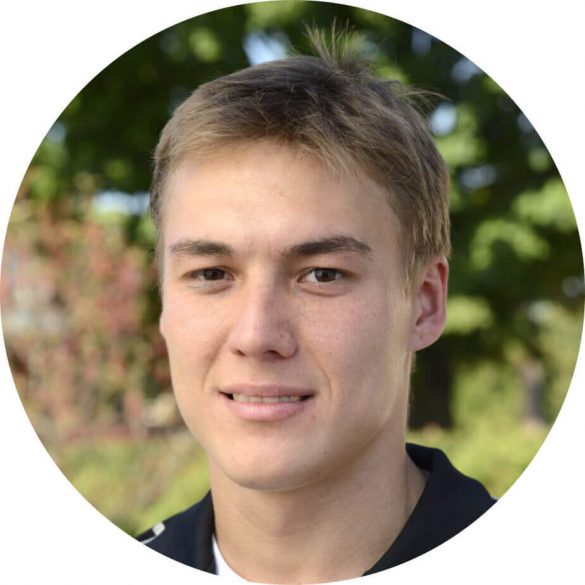
Slava Fattakhov
I enjoy every opportunity I get to coach, whether it is a national level university swimming team or a kid who just started exploring one of the greatest sports - swimming.